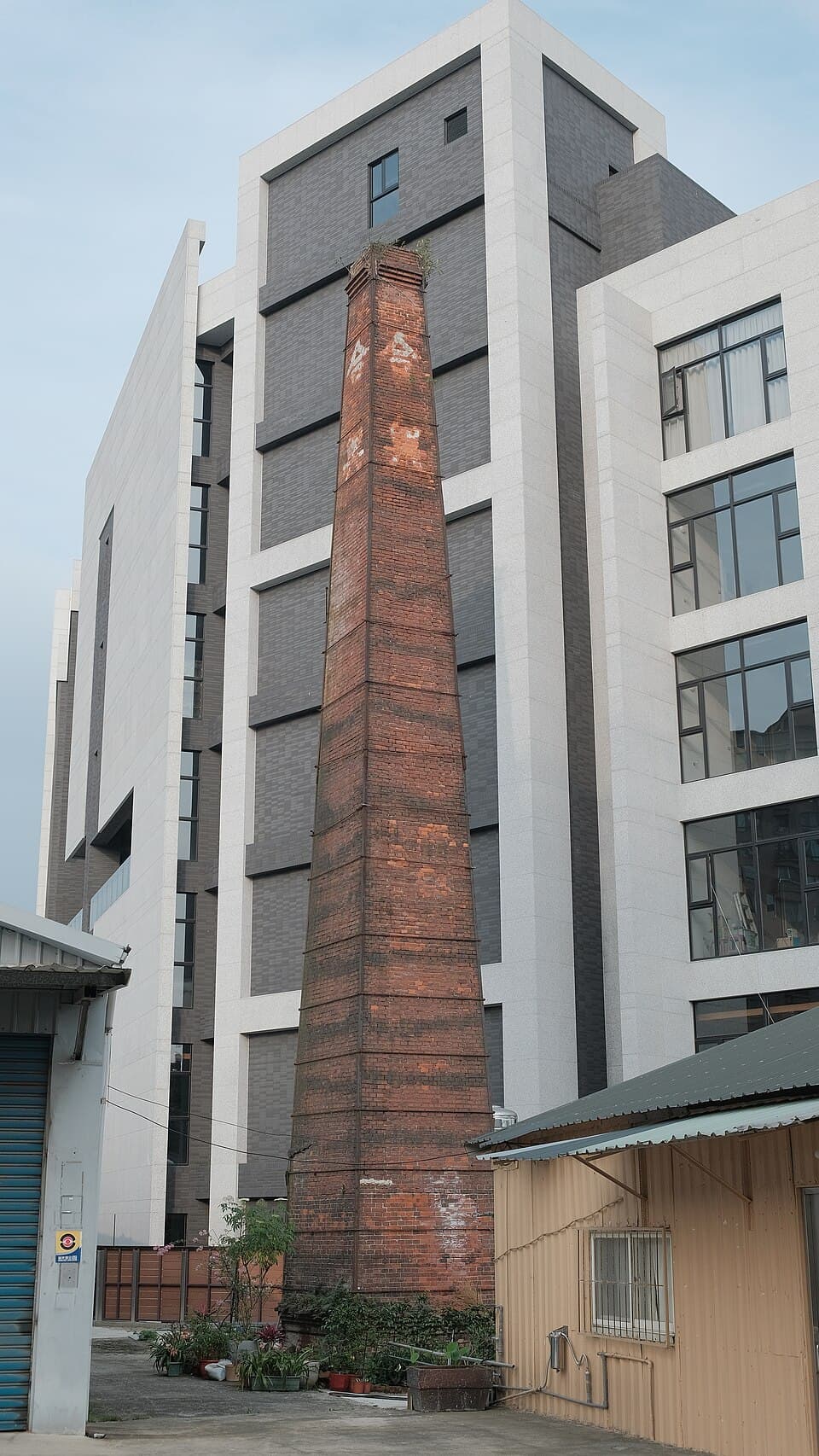
Using Yingge's industrial history as context, this guide suggests what to notice in form, surface, production information and use instructions without promoting a particular seller.
Begin with accumulated local knowledge
Research from the New Taipei City Yingge Ceramics Museum traces local ceramics through introduced techniques, industrialisation and a growing production network. Everyday ware, studio ceramics and technical production seen today are parts of a long local development rather than a single origin story.
Read an object through four lenses
Start with material, forming method, surface treatment and firing effects. Wheel throwing, moulding and hand-building leave different clues, while glaze, texture and kiln marks reflect choices by a maker or workshop. When documentation is absent, leave the detail unclaimed.
Let the maker define intended use
Objects that look alike may not be designed for the same task. Food contact, heating and cleaning requirements should come from the maker or product label, not from a photograph. This article does not guarantee the function, safety or quality of any particular item.
Move from object to Yingge
Yingge's museum, old street and craft spaces place ceramic objects within industrial history and daily life. The paired place story offers background for seeing how ceramics became part of the town's identity.