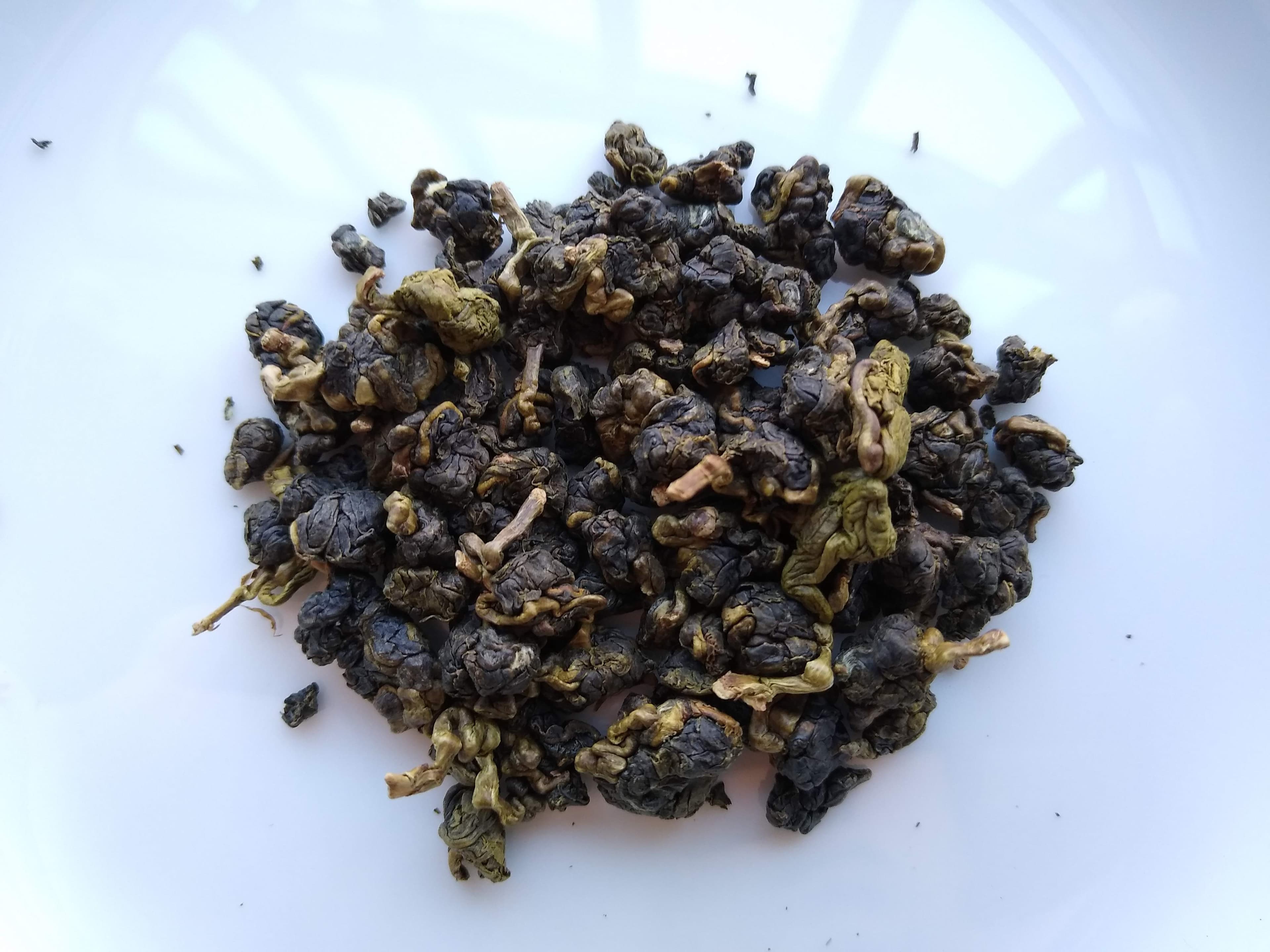
This brand-neutral introduction explains how to read cultivar, oxidation, leaf form and brewing notes, then connects the cup to the landscapes where tea culture continues.
Start with the sources of difference
Taiwan's Tea and Beverage Research Station describes specialty tea as the outcome of cultivar, growing environment and processing. Instead of relying on a product name alone, look for origin, cultivar and tea type, then compare aroma, texture and the opened leaves.
Use processing as your map
Tea styles emerge through different sequences and degrees of oxidation. Withering, agitation, heat-fixing, rolling and drying can shift fragrance and mouthfeel, so Baozhong, oolong and black tea are more than colour labels. Clear production information makes comparison easier.
Keep a simple tasting record
Hold leaf quantity, water temperature and steeping time steady. Note the dry-leaf aroma, liquor, texture and finish, then change one variable at a time. The purpose is not to award a score but to recognise whether you enjoy floral, roasted, fresh or ripe-fruit profiles.
Follow the cup back to place
Tea makes more sense alongside its landscape and local history. Pinglin is closely associated with Wenshan Baozhong and offers a useful next chapter in northern Taiwan's tea culture. This is independent editorial content and does not represent a tea seller or brand relationship.